QNAP NAS Devices Compromised via Active Plex2Shell Exploit Chain
Hackers target Plex Media Server installations to gain unauthorized access to network-attached storage units globally
Key Takeaways
- QNAP NAS devices are under active attack via a Plex2Shell vulnerability chain targeting Plex Media Server.
- Exploitation enables remote code execution, unauthorized access, and potential ransomware deployment.
- QNAP has not released specific CVE identifiers; technical details are pending full disclosure.
- Users must update Plex Media Server to the latest version via the QNAP App Center immediately.
- Applying the latest firmware updates and network segmentation are critical mitigation steps.
Quick answers
- What happened?
- QNAP has issued an urgent advisory warning that threat actors are actively exploiting a vulnerability chain tracked as Plex2Shell to breach QNAP Network Attached Storage devices. The attacks leverage Plex Media Server installed on affected units, enabling unauthorized access, data exfiltration, and potential ransomware deployment. Users are strongly advised to update Plex Media Server to the latest version via the QNAP App Center and apply the latest firmware updates immediately.
- Which products are affected?
- Plex Media Server
- What should defenders do?
- Update Plex Media Server to the latest version via QNAP App Center. Apply latest QNAP firmware updates. Segment NAS devices from critical networks. Monitor for unusual process activity and network connections.
QNAP has released an urgent security advisory warning that threat actors are actively exploiting a vulnerability chain tracked as Plex2Shell to breach QNAP Network Attached Storage (NAS) devices. The attacks specifically target Plex Media Server installations running on QNAP hardware, allowing unauthorized access and potential ransomware deployment.
According to the advisory, the Plex2Shell vulnerability chain enables remote code execution through Plex Media Server, which attackers can leverage to gain control of the underlying NAS operating system. QNAP has not disclosed the specific CVEs comprising the chain, stating that technical details are pending full disclosure, but confirmed that exploitation is currently active in the wild.
The company is urging all affected users to immediately update Plex Media Server to the latest version available in the QNAP App Center. Additionally, QNAP recommends applying the latest firmware updates and segmenting NAS devices from critical network zones to reduce the risk of lateral movement.
BleepingComputer reports that the advisory highlights the severity of the situation, noting that compromised devices could lead to full system takeover, data exfiltration, and ransomware encryption. QNAP has stated that it is working to provide more detailed technical information in forthcoming security updates.
The scope of affected devices remains unconfirmed, but given the global deployment of QNAP NAS units in home and business environments, the advisory carries significant weight for IT administrators and home users alike.
Security Details
Active exploitation of Plex2Shell vulnerability chain in Plex Media Server on QNAP NAS; enables remote code execution and unauthorized system access. Specific CVE identifiers pending full disclosure.
Affected products
Plex Media Server
Mitigation
Update Plex Media Server to the latest version via QNAP App Center. Apply latest QNAP firmware updates. Segment NAS devices from critical networks. Monitor for unusual process activity and network connections.
Sources
BleepingComputer
QNAP says hackers breaching NAS devices in Plex2Shell attacks
Nov 6, 2026 · 17:04
Original link
Related Security News
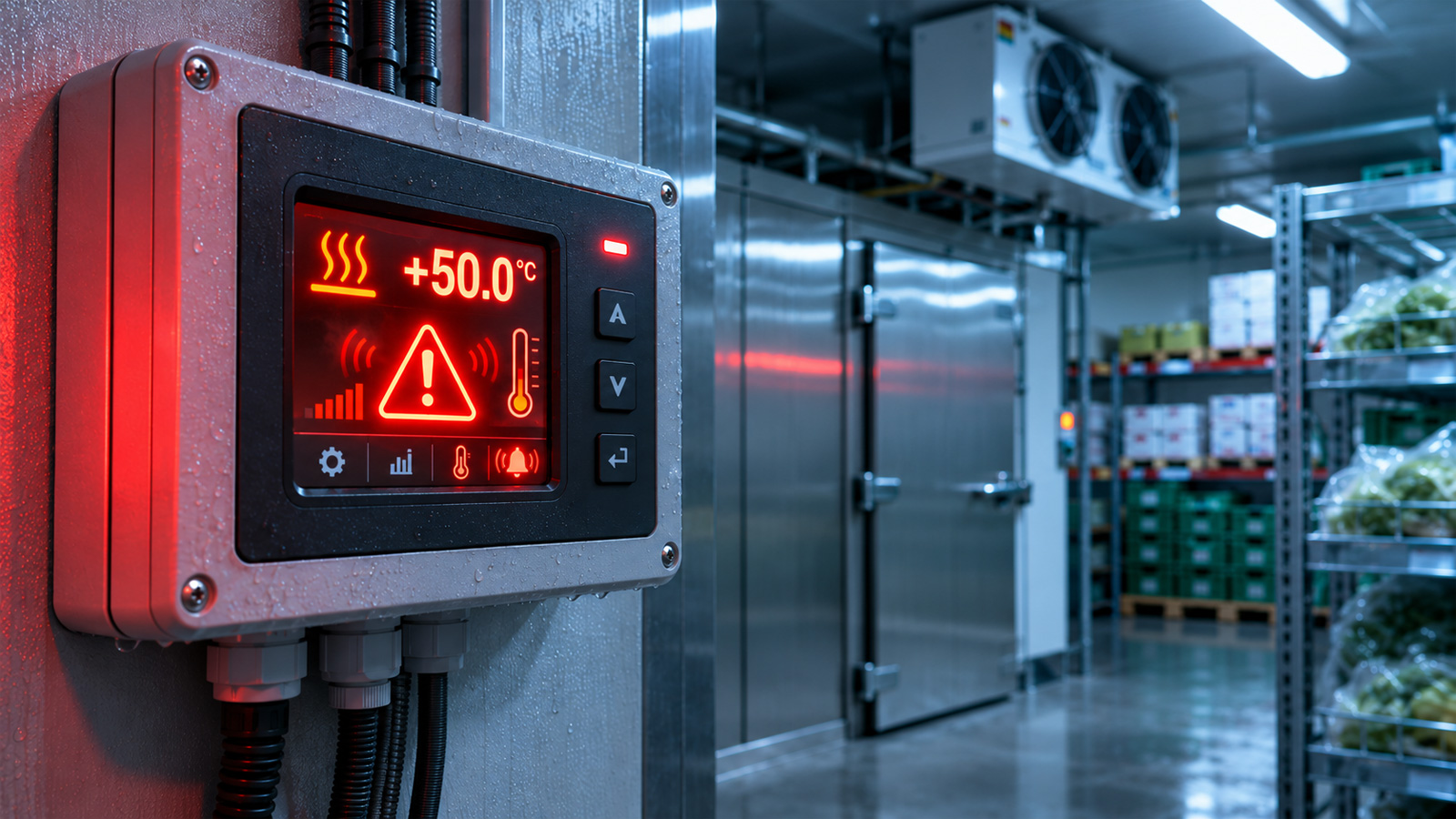
FBI and CISA Issue Joint Warning on Cyberattacks Targeting Industrial Refrigeration Systems
The FBI and CISA have issued a joint alert warning that hackers are actively targeting industrial refrigeration and cold-chain monitoring systems worldwide. The advisory notes that manipulation of these systems could result in food spoilage, equipment damage, and fire hazards. While specific exploitation methods and threat actor identities were not detailed in the public summary, the alert emphasizes the need for network segmentation, security updates, and adherence to industrial control system hardening guidance to mitigate risks.