A new zero-day vulnerability in the Cacti network monitoring platform has been disclosed, allowing unauthenticated remote code execution. The flaw is exploitable in approximately four HTTP requests from a fresh session. Proof-of-concept code has been circulated under the trackers 4HTTP2SHELL and 4HTTP2ROOT, though no CVE identifier has been assigned yet. The Cacti development team has not released an official fix. Affected deployments, particularly those exposed to the internet, face potential full system compromise.
Microsoft has released an emergency hotpatch update to resolve Windows Server 2025 system crashes that occurred after installing the monthly security update KB5131077. The out-of-band patch aims to restore system stability affected by the cumulative update interaction.
Cybersecurity researchers have disclosed details of a software supply chain attack that has tampered with Q-Dir and DesktopOK installation files distributed via the official SoftwareOK website. Evidence indicates that malicious files were generated not only when users downloaded the programs directly from the official download page but also during the update process of previously installed software. The attack delivers remote access malware to compromised systems.
Microsoft has announced the removal of the Windows Server Update Services (WSUS) server role from Windows Server 2028. The change affects the next major release of the Windows Server operating system, requiring administrators to adopt alternative patch management solutions. No known exploitation is associated with this platform redesign, but it represents a significant shift in update management capabilities for organizations planning deployment of Windows Server 2028.
Researchers from eSentire have disclosed a cyber attack campaign in which a threat actor leveraged a Microsoft Store application to deliver Vinci RAT, a remote access trojan capable of remote system control. The intrusion begins with a redirection to a bogus website ("snipp.codes-team[.]com") offering a sniping tool, from which a Microsoft-signed installer named "Snipping-Tool.exe" is downloaded. The use of a trusted Microsoft signature aims to bypass initial suspicion and facilitate execution on Windows systems.
A Vietnam-sponsored hacking group, attributed to the WeaveLotus campaign, has been linked to targeted cyber espionage attacks against Southeast Asian military, government, and legislative organizations. The objective appears to be gathering intelligence on South China Sea defense and military agreements. The activity was detailed by SOCRadar and assessed to have comprised five intrusions in Thailand, with broader regional targeting implied.
A zero-day vulnerability in the Cacti network monitoring platform has been publicly disclosed, accompanied by a proof-of-concept exploit that enables unauthenticated remote code execution. The flaw affects Cacti servers globally, with no official patch available at the time of disclosure. Security researchers and CERT coordination teams are actively assessing the vulnerability details and exploitation scope.
Boston Scientific has begun notifying individuals that their personal and medical information was exposed in a cyberattack. The breach, discovered in late November 2026, involved unauthorized access to the company's corporate systems. The exact attack vector and full scope of data exposure remain under investigation.
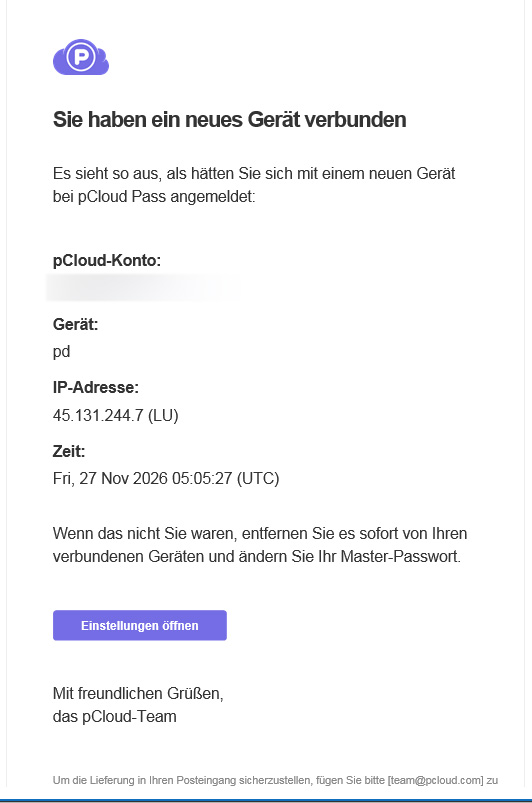
pCloud has confirmed a security incident affecting its pCloud Pass password manager. Users reported suspicious login alerts and unauthorized access from unknown devices, even with two-factor authentication enabled. The company has advised users to change passwords and monitor account activity.
A critical vulnerability in the Linux kernel's Network File System server implementation, tracked as CVE-2026-99362, allows remote attackers to gain root privileges. The flaw, present in the kernel for approximately 12 years, affects systems exposing NFS shares and requires immediate patching.
Palo Alto Networks Unit 42 has disclosed that threat actors affiliated with "Com" have conducted numerous waves of vishing (voice phishing) attacks since August 2026. The campaigns target cloud accounts belonging to organizations in financial services, healthcare, legal services, and construction sectors across the United States, the United Kingdom, and Australia. The attacks result in data theft and extortion attempts. Unit 42 responded to the incidents but has not attributed the activity to a specific named threat group beyond the "Com" affiliation.
Security researchers have identified 13 malicious NuGet packages targeting Windows .NET developers. The packages masquerade as legitimate UI component libraries, specifically WinUI 3 and WPF button controls, to deliver malware through fake take-home job assessments. Analysis indicates the malicious code executes during the build or run process of these packages.
Drupal has disclosed two highly critical vulnerabilities in Drupal core, tracked as CVE-2026-136716 and CVE-2026-132165 (Fail2Install). Both flaws relate to improper checking for unusual conditions during installation and are reported as exploited in the wild, posing a risk of site takeover for unpatched installations globally.
The U.S. Cybersecurity and Infrastructure Security Agency (CISA) has added 10 security flaws to its Known Exploited Vulnerabilities (KEV) catalog, reflecting active exploitation in the wild. The newly listed flaws span multiple vendors, including five vulnerabilities affecting Mitel MiCollab, as well as products from Juniper, Vates, and Danfoss. CISA directs organizations to prioritize patching and apply vendor-recommended mitigations to reduce risk.
According to Dark Reading, a previously undocumented Iranian threat group identified as Volant Manticore is targeting Cypriot organizations as part of an intelligence-gathering effort for Tehran. The group's activities were reported on November 26, 2026, though specific exploitation methods and confirmed victims remain under investigation. The report notes this is a previously undocumented threat actor, and attribution to Iran should be verified through additional intelligence sources.
Research from Push Security measures the effectiveness of various phishing kits in breaching organizational defenses, calculating a "breakthrough rate" representing the share of attacks that pass email security, web gateways, and safe browsing to reach end users. The findings highlight which kits and techniques are most successful at evading common security controls, providing intelligence for defenders to prioritize improvements.
A new variant of the SYS01 infostealer malware, distributed through Meta ads, exploits browser management enrollment to force-install a malicious extension. The extension steals sensitive data from Gmail and Outlook web interfaces without user consent. Security researchers report the campaign is active as of late November 2026.
Researchers from SafeDep have identified a North Korea-linked campaign, tracked as PolinRider, that has compromised more than 7,600 GitHub repositories. The attack involves planting malicious Python loaders in small utility packages or conftest.py files. When imported, these loaders contact a remote server to retrieve and execute additional malicious payloads, representing a supply chain threat to the global developer community.
Security researchers have identified a new infostealer campaign distributing a malicious Chrome extension that poses as Google Sheets. The Remus malware steals Gmail messages and session cookies, with operators marketing the capability as a zero-day exploit in Google's email service. Google has since removed the extension from the Chrome Web Store.
A phishing campaign operating under the name "GoodGuys" has been observed impersonating major technology and consulting brands including Google, Nvidia, Accenture, and SpaceX. The attack leverages fake invitations to paid expert interviews and webinars to deceive corporate users into revealing Google Workspace and Okta account credentials. The campaign directs victims to credential-harvesting pages designed to mimic legitimate login portals. As of the report, the exact scope of victims, infrastructure details, and threat actor attribution remain unverified.
Microsoft has acknowledged that installing the November 2026 security updates may result in authentication issues on Windows systems. The updates address a high-severity remote code execution vulnerability, but users experiencing login problems post-installation are advised to monitor official guidance for workarounds and resolution timelines.
An unknown attacker exploited a critical remote code execution vulnerability in the Hex.pm package registry, running operating system commands on six production servers on Monday. The flaw, present in the registry's code since February 2016, was remediated within approximately 15 minutes of the first malicious request as the maintenance team patched all affected servers to a hardened build.
Security researchers and the Drupal security team have confirmed that a critical Remote Code Execution vulnerability in Drupal CMS is being actively exploited in the wild. Threat actors are leveraging the flaw to gain unauthorized control over unpatched websites. The vulnerability has been exploited since at least Thursday, with global targeting of Drupal installations. A patch or security update is expected; immediate application of the latest updates is strongly recommended to mitigate the risk.
GitGuardian's State of Secrets Sprawl 2026 report reveals that more than 64% of valid secrets discovered in 2022 were still functional in January 2026. The analysis indicates that teams stall on remediation because they lack visibility into what a revocation will break, and that prioritizing secrets solely by validity misses 46% of critical credentials. The report recommends impact-based prioritization that considers what a credential can access and whether it leaked publicly.