Malicious OAuth Apps Exploited to Breach Google Workspace Environments
Webinar details how social engineering and abused OAuth permissions enable unauthorized data access
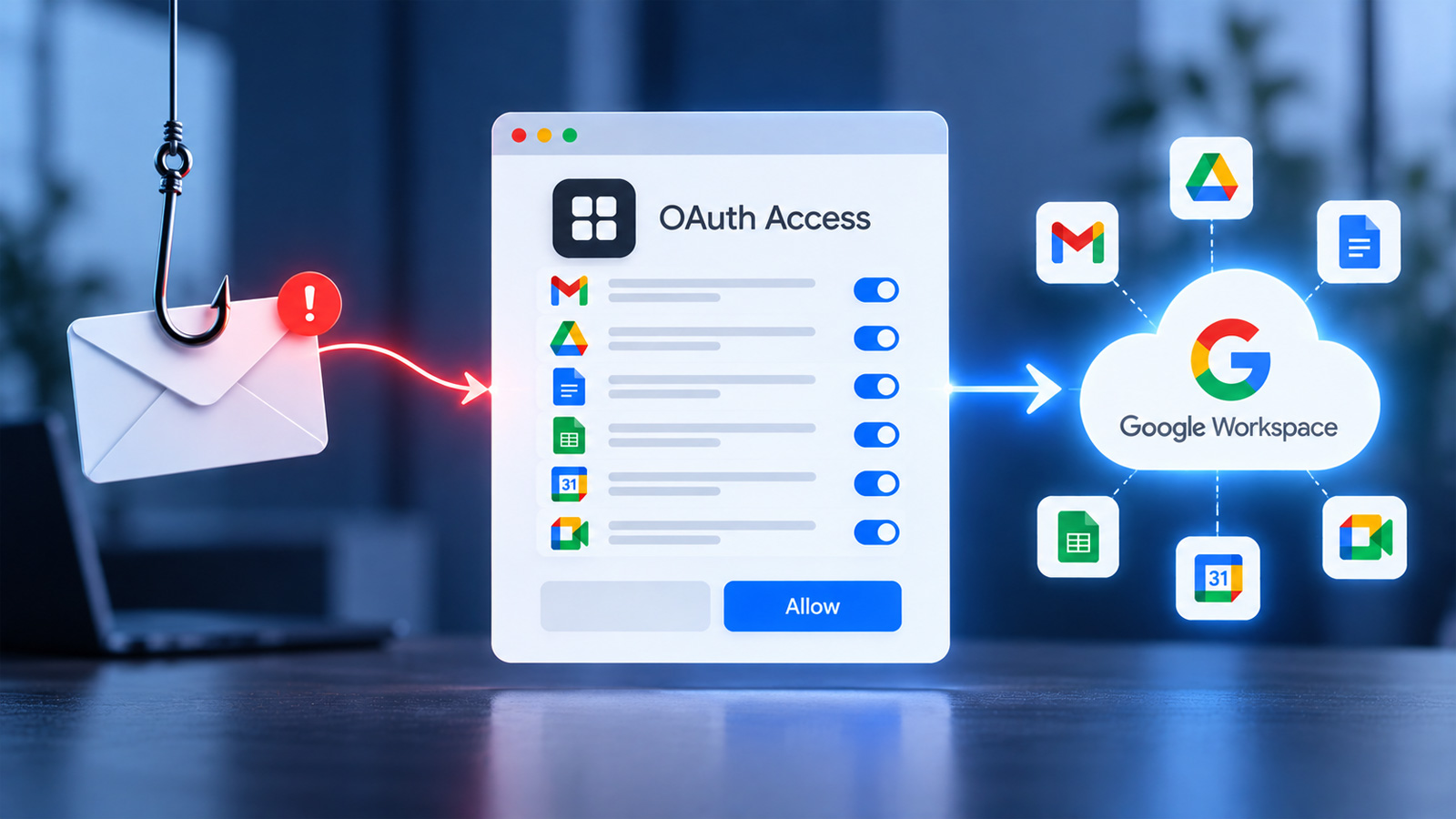
Key Takeaways
- Threat actors are using social engineering to trick Google Workspace users into granting OAuth permissions to malicious applications.
- These attacks bypass the need for stolen credentials by abusing the OAuth consent framework.
- Granted permissions can allow access to emails, Drive files, and contacts, potentially leading to data exfiltration.
- Google Workspace administrators should enforce strict OAuth app verification, monitor app permissions, and educate users.
Related Security News

Official MCP Python SDK Flaw Can Let Malicious Servers Steal OAuth Credentials
The maintainers of the official MCP Python SDK disclosed a security vulnerability that could allow a malicious server to trick applications into divulging OAuth credentials. The issue affects the handling of client secrets, authorization codes, and PKCE proof keys when communicating with token endpoints.

CTM360 Report Details ClickFix Evolution From Novelty to Subscription Malware Service
A new global threat report from CTM360 traces the ClickFix malware distribution technique from its emergence in late 2023 to a sophisticated subscription product utilizing on-chain infrastructure and a state-sponsored user base. The report identifies ClickFix as the most common method for attackers to gain initial access to enterprise networks, noting that the technique operates without exploits, attachments, or files on disk, rendering traditional domain blocking ineffective.