EU Cyber Resilience Act Vulnerability Reporting Requirements Take Effect September 11
Software vendors face 24-hour reporting windows for actively exploited flaws as CRA compliance deadlines approach
Key Takeaways
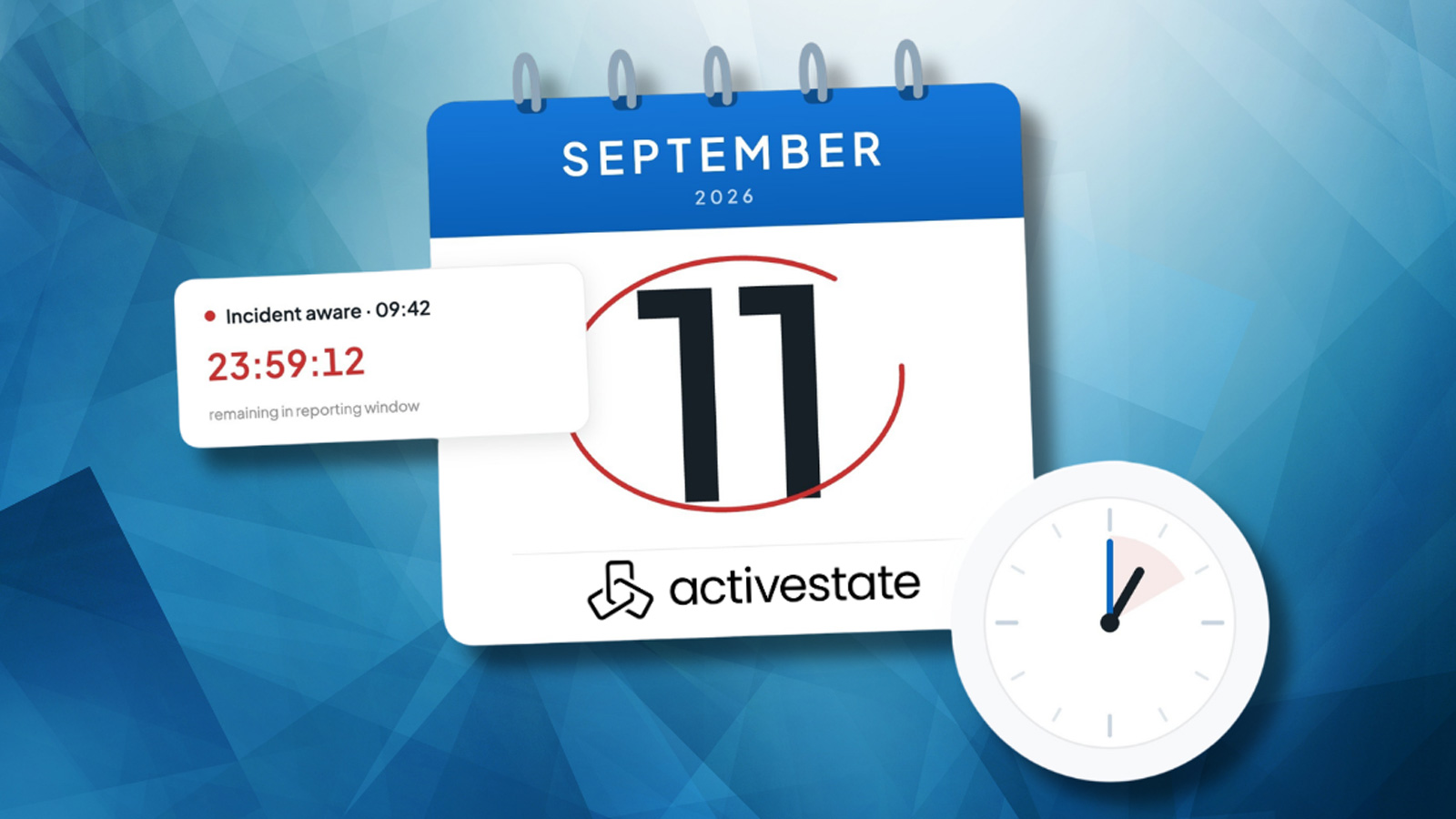
- EU Cyber Resilience Act vulnerability reporting requirements take effect September 11, 2026
- Software vendors may have as little as 24 hours to report actively exploited flaws
- Knowing what shipped and when vulnerabilities were discovered is critical for compliance
- Requirements apply to software vendors globally, including those using platforms like ActiveState
- Organizations should evaluate and upgrade vulnerability tracking capabilities to meet new timelines
Quick answers
- What happened?
- The European Union's Cyber Resilience Act introduces mandatory vulnerability reporting obligations for software vendors, requiring disclosure of actively exploited flaws within 24 hours of discovery. The requirements, effective September 11, 2026, place emphasis on maintaining accurate software inventory and vulnerability tracking capabilities to ensure compliance with the new regulatory framework.
- What should defenders do?
- Organizations should implement robust vulnerability management processes, maintain accurate software inventory records, and ensure capabilities to detect and report actively exploited flaws within the 24-hour window. Evaluating current tracking processes against CRA requirements is recommended.
The European Union's Cyber Resilience Act (CRA) vulnerability reporting requirements take effect on September 11, 2026, imposing strict timelines on software vendors regarding the disclosure of actively exploited flaws. According to industry analysis, vendors may have as little as 24 hours to report vulnerabilities that are actively being exploited in the wild.
The CRA establishes a regulatory framework requiring software providers to maintain detailed records of what components were shipped and when vulnerabilities were discovered. ActiveState, a software supply chain security company, emphasizes that knowing exactly what shipped and when vulnerabilities were identified will be critical for vendors to meet the new reporting obligations.
The reporting requirements apply to software vendors and organizations using platforms like ActiveState's. The 24-hour window applies specifically to flaws that are actively exploited, creating pressure on organizations to implement robust vulnerability detection and tracking processes. Non-compliance could result in regulatory penalties under the EU framework.
The requirements represent a significant shift in vulnerability disclosure practices, moving toward more immediate reporting timelines and greater transparency around software supply chain security. Organizations are advised to evaluate their current vulnerability management processes and ensure they can identify and report actively exploited flaws within the specified timeframe.
Security Details
The EU Cyber Resilience Act establishes mandatory vulnerability reporting requirements for software vendors, with 24-hour disclosure windows for actively exploited flaws. The requirements emphasize the need for accurate software inventory and vulnerability tracking capabilities.
Mitigation
Organizations should implement robust vulnerability management processes, maintain accurate software inventory records, and ensure capabilities to detect and report actively exploited flaws within the 24-hour window. Evaluating current tracking processes against CRA requirements is recommended.
Sources
BleepingComputer
The EU CRA's Real Question: What Shipped, and When Did You Know?
Sep 8, 2026 · 20:24
Original link
Related Security News

CISO-CMO Alliance Emerges as Strategic Imperative for Cybersecurity-Brand Reputation Alignment
A recent Dark Reading analysis explores how organizations can strengthen governance by establishing regular touchpoints and joint crisis communications plans between Chief Information Security Officers and Chief Marketing Officers. The article emphasizes that translating security risks into brand impact is essential for maintaining stakeholder trust.

_Dzmitry_Skazau_Alamy.jpg?width=720&quality=80&disable=upscale)